Offer
Provide additional details about the offer you're running.
FLASHSALE


Electric bike helmet shopping can feel deceptively simple, until you remember one key thing: e-bikes help you ride faster, more often, and in more places.
Here's what to know right away:
If you're new to e-bikes, that extra boost can take a minute to get used to. The good news? Most helmet mistakes are super common and very fixable once you know what to look for.
A well-fitted, purpose-appropriate helmet improves comfort, confidence, and safety. It's not about fear. It's about making it easy to keep your helmet on for every ride.
I'm Andrea Herklots, and at EveryBody eBikes, we've helped thousands of riders across Australia get set up in a way that suits their body, their riding style, and their goals. The right electric bike helmet is a small choice that can make a big difference to how relaxed you feel out on the road.
Life is a Journey, Ride it!
Electric bike helmet terms made easy:
When you first walk into a shop or browse online, the sheer variety of headgear can be overwhelming. Many beginners fall into the trap of picking the first thing they see or the one that matches their bike's colour. Because an e-bike operates differently than a traditional bicycle, your safety requirements change too.
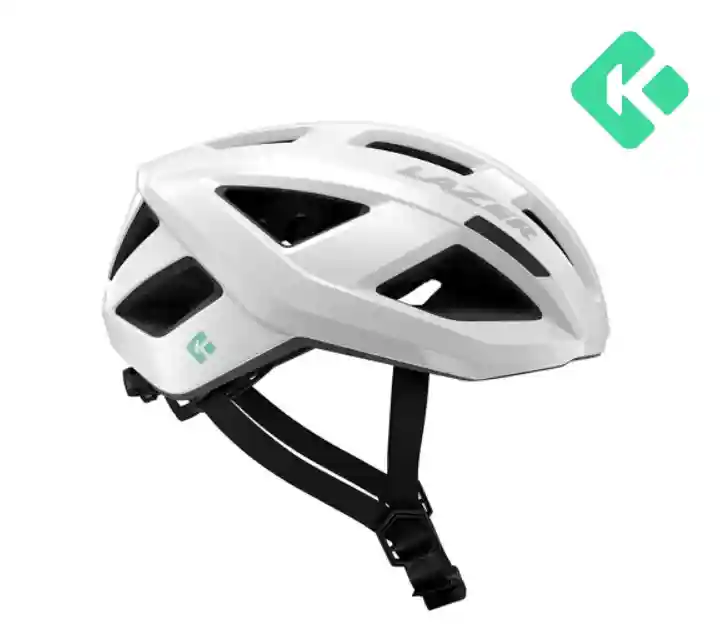
One of the most frequent errors is ignoring the specific safety ratings. Most of our helmets provide solid everyday protection, but for e-bike riders looking for a bit of extra coverage, there’s the NTA 8776 certification. Helmets with this rating are tested for speeds up to 45 km/h (28 mph) and give extra coverage around the temples and back of the head. It’s not standard on all our helmets, but it’s a handy option if you want that added protection for faster rides.
It's tempting to grab that old helmet from the back of the garage, but "any lid" isn't necessarily a safe electric bike helmet. Standard certifications like CPSC or EN 1078 are the baseline, but they don't always account for the increased momentum of an e-bike.
Independent testing, such as the Virginia Tech Helmet Ratings, has shown that not all helmets are created equal. A helmet designed specifically for e-mobility often features thicker EPS foam or reinforced shells to absorb higher impact energy. If you are riding a faster e-bike, using a helmet that hasn't been tested for those speeds is a risk you simply don't need to take.
We often see riders with helmets tilted way back or wobbling from side to side. A helmet that doesn't sit level on your head is essentially just a hat. It won't protect your forehead or the base of your skull during an impact.
The mistake here is often choosing a size based on a guess rather than measuring your head circumference. To find your size, wrap a soft measuring tape around your head, about an inch above your eyebrows.
Most modern helmets use a dial system for precision fit, but you should also look for vertical adjustment. This allows the cradle to sit lower on the back of your head, ensuring the helmet stays stable even if you're riding over bumpy terrain. For more on essential gear, check out our guide on Bike Accessories for E-Bikes.
Beginners often underestimate how much they will sweat on an e-bike. Even with motor assistance, you are still moving your body, and on a humid Brisbane day, a poorly ventilated helmet becomes an oven. This leads to what we call the "Mistake of Discomfort". Riders take the helmet off or loosen it just to get some air, which defeats the purpose of wearing one.
Many beginners also aren't aware of rotational force. Most crashes don't happen in a perfectly straight line; your head usually hits the ground at an angle. Technologies like MIPS (Multi-directional Impact Protection System) use a low-friction liner that allows the helmet to slide slightly (10 to 15mm) during impact. This "slip plane" absorbs rotational energy that would otherwise be transferred to your brain. You can learn more about these technologies in A Comprehensive Guide to the Best Lazer Helmets.
Your riding environment dictates what kind of helmet you need. A commuter navigating the busy streets of Everton Park has different needs than someone exploring the Brisbane Valley Rail Trail.
At EveryBody eBikes, we focus on matching the helmet to the rider. If you are mostly on urban paths, visibility is your best friend. If you are hitting the trails, you'll want a visor to shield your eyes from low-hanging branches and the sun.
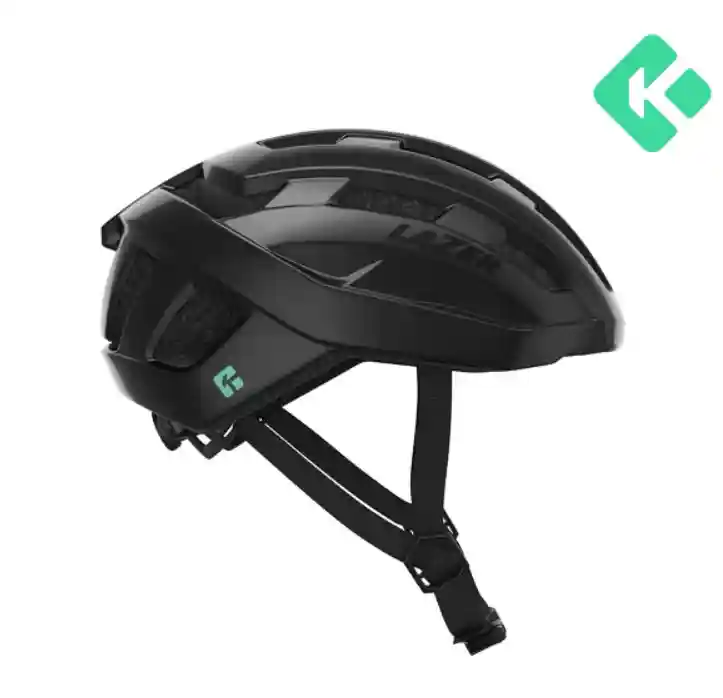
Before you buy, ask yourself: "Where will I spend 80% of my time?"
For more tips on preparing for your first e-bike journey, read Ride with Confidence: What to Know Before Buying an E-Bike.
We recommend Lazer helmets because they consistently lead the way in safety and comfort. Here is a breakdown of some beginner-friendly options we carry:
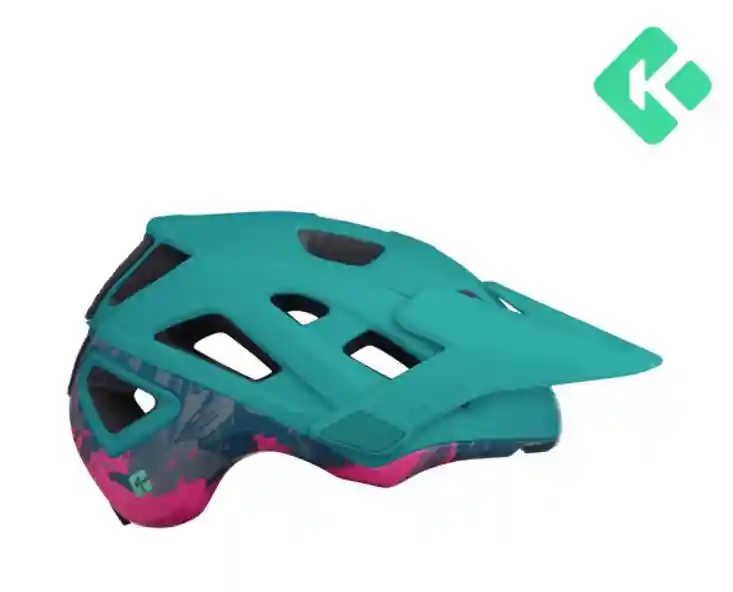
| Feature | Lazer Tempo | Lazer Jackal | Lazer Tonic |
|---|---|---|---|
| Best For | Everyday/Commuting | Trail & MTB | Active/Warmer Rides |
| Adjustment | Turnfit System | Vertical Adjustment | 18 Cooling Vents |
| LED Compatible | Yes | Yes | Yes |
| Winter Kit | Compatible | Compatible | Compatible |
| Rotational Tech | Increased Protection | Increased Protection | Increased Protection |
Find more about these models in our article: Lightweight, Breathable, and Built for Fun: Meet Our Range of Lazer Helmets.
Choosing an electric bike helmet doesn't have to be complicated, but it does require a little more thought than buying a standard bike lid. By avoiding common mistakes like settling for a poor fit or ignoring e-bike specific safety ratings, you ensure that every ride is as safe as it is fun.
Cycling is for every body, and at EveryBody eBikes, we make it easy to ride safely. From full bike servicing to the right helmets, gears, and accessories, we’ve got what you need to hit the road with confidence. Visit us from Gaythorne to Stafford and get ready to enjoy every ride.
Life is a Journey, Ride it!